Instructor: Katrina Rodabaugh
Class Description:
Mending is a wonderful way to practice hand-stitching and sustainability by extending the life of our textiles. Simple stitches transform torn or distressed garments and homewares through thoughtful repairs. Darning is a hand-stitching technique that combines basic stitches, simple weaves, and design elements. The class will consider the creative opportunity in mending through careful consideration of materials, design, and stitching techniques. All mending will focus on hand-sewing on knitwear.
This workshop will lead participants through an overview of basic darning techniques before turning to a textile that needs mending. Katrina will discuss how best to repair garments considering materials, utility, beauty, and more. Students will leave the workshop with various resources, a mended garment (in-progress), and a class booklet. Basic stitching skills are required.
Please note: We will focus solely on knit fabrics like sweaters, socks, gloves, hats, scarves, etc. We will not cover mending stretchy fabrics like leggings or woven fabrics like denim. We will cover three darning techniques—stitching, basic weaving, and Swiss darning. Suitable for all level of textile artists and hobbyists. Darning spans stitching, knitting, weaving, and embroidery techniques and is a wonderfully creative, compact, and useful skill.
Materials to bring to class:
· Textile to mend—Garments like sweaters, socks, gloves, hats, and scarves are great choices. Household textiles like knit blankets are good too. (If the repair is small, considering bringing a second or third textile.)
· Yarn or thread of the same fiber and weight as the textile to be mended in the colors of your choice—bulky sweaters are best darned with bulky or chunky yarn; fine cashmere scarves are best darned with lace weight or fingering weight thin yarns; midweight knits are best darned with DK or worsted yarns, etc. (If in doubt, head to your local yarn shop and hold your textile next to the various yarns or ask the staff—they can help you match the yarn weight of your garment)
Note on darning: We will cover basic darning stitches on knit garments like sweaters and hats. We will cover three basic darning techniques. The extent of damage in your textile will determine the amount of time needed for darning.
Note on Moths: Please do not bring moth-eaten textiles that haven’t been treated for moths. To treat for moths, the textiles need to freeze for at least 48 hours. You can put it in your freezer or leave it outside if it’s below 32 degrees for 48 consecutive hours. Then the textile must be hand washed with wool soap and fully dried. If possible, once dry, let it air outside in the wind. We’ll talk about moth prevention and how to care for animal fibers like wool.)
Materials provided:
· Sampler fabric, darning needles, wooden rulers, and class handout. A sample of yarns will be provided for the class sampler though students should bring their own yarn for their personal textile/s to be repaired in class.
· Tools to share in class: Fabric scissors, fabric pencils, and various darning tools like eggs, discs, and mushrooms. (Students can bring personal tools to use in class or use the shared tools provided.)
Instructor Bio:
Katrina Rodabaugh is an artist, writer, and teacher working across disciplines to explore environmental issues through craft techniques. Mostly, she rethinks the relationship between fiber art, sustainability, and fashion. She’s the author of three books including Make Thrift Mend (2021) and Mending Matters (2018). Her work has appeared in the New York Times, Boston Globe, Martha Stewart Living, Selvedge Magazine, Sunset magazine, Taproot magazine, and more. She earned a BA in Environmental Studies and an MFA in Creative Writing though her fiber arts training started in childhood. She’s taught thousands of students to mend online and in-person. She writes a weekly newsletter, Love Letters, hosts a summer retreat in her barn, and designs products for her online shop. Katrina lives with her husband, two children, chickens, cats, and many dye plants in the Hudson Valley of NY. www.katrinarodabaugh.com
Images:
(1-6) Examples of darning on knitwear, (7) Katrina Rodabaugh
Cancellation Policy:
Please consider carefully before signing up for one of our classes or purchasing a class for another person. Due to the small class size for in-person workshops and the limited number of looms, each person makes an important contribution to the group dynamic and cancelling within short notice can make it difficult to fill your spot. If you do need to cancel, please be aware of our policies:
There are no refunds for class fees. However, if the cancellation is 30 or more days before the start of the workshop, you have the option of rescheduling for a different class free of charge. If the cancellation is fewer than 30 days from the start of the workshop, there is the option of rescheduling only if your spot is filled from the Waitlist. You also have the option of transferring your class reservation to another person at any point. The closer the start date, the more difficult it can be to fill a spot from the Waitlist
No refunds will be given on gift certificates. (Updated 04/24/2025)
Instructor: Katrina Rodabaugh
Class Description:
Mending is a wonderful way to practice hand-stitching and sustainability by extending the life of our textiles. Simple stitches transform torn or distressed garments and homewares through thoughtful repairs. Darning is a hand-stitching technique that combines basic stitches, simple weaves, and design elements. The class will consider the creative opportunity in mending through careful consideration of materials, design, and stitching techniques. All mending will focus on hand-sewing on knitwear.
This workshop will lead participants through an overview of basic darning techniques before turning to a textile that needs mending. Katrina will discuss how best to repair garments considering materials, utility, beauty, and more. Students will leave the workshop with various resources, a mended garment (in-progress), and a class booklet. Basic stitching skills are required.
Please note: We will focus solely on knit fabrics like sweaters, socks, gloves, hats, scarves, etc. We will not cover mending stretchy fabrics like leggings or woven fabrics like denim. We will cover three darning techniques—stitching, basic weaving, and Swiss darning. Suitable for all level of textile artists and hobbyists. Darning spans stitching, knitting, weaving, and embroidery techniques and is a wonderfully creative, compact, and useful skill.
Materials to bring to class:
· Textile to mend—Garments like sweaters, socks, gloves, hats, and scarves are great choices. Household textiles like knit blankets are good too. (If the repair is small, considering bringing a second or third textile.)
· Yarn or thread of the same fiber and weight as the textile to be mended in the colors of your choice—bulky sweaters are best darned with bulky or chunky yarn; fine cashmere scarves are best darned with lace weight or fingering weight thin yarns; midweight knits are best darned with DK or worsted yarns, etc. (If in doubt, head to your local yarn shop and hold your textile next to the various yarns or ask the staff—they can help you match the yarn weight of your garment)
Note on darning: We will cover basic darning stitches on knit garments like sweaters and hats. We will cover three basic darning techniques. The extent of damage in your textile will determine the amount of time needed for darning.
Note on Moths: Please do not bring moth-eaten textiles that haven’t been treated for moths. To treat for moths, the textiles need to freeze for at least 48 hours. You can put it in your freezer or leave it outside if it’s below 32 degrees for 48 consecutive hours. Then the textile must be hand washed with wool soap and fully dried. If possible, once dry, let it air outside in the wind. We’ll talk about moth prevention and how to care for animal fibers like wool.)
Materials provided:
· Sampler fabric, darning needles, wooden rulers, and class handout. A sample of yarns will be provided for the class sampler though students should bring their own yarn for their personal textile/s to be repaired in class.
· Tools to share in class: Fabric scissors, fabric pencils, and various darning tools like eggs, discs, and mushrooms. (Students can bring personal tools to use in class or use the shared tools provided.)
Instructor Bio:
Katrina Rodabaugh is an artist, writer, and teacher working across disciplines to explore environmental issues through craft techniques. Mostly, she rethinks the relationship between fiber art, sustainability, and fashion. She’s the author of three books including Make Thrift Mend (2021) and Mending Matters (2018). Her work has appeared in the New York Times, Boston Globe, Martha Stewart Living, Selvedge Magazine, Sunset magazine, Taproot magazine, and more. She earned a BA in Environmental Studies and an MFA in Creative Writing though her fiber arts training started in childhood. She’s taught thousands of students to mend online and in-person. She writes a weekly newsletter, Love Letters, hosts a summer retreat in her barn, and designs products for her online shop. Katrina lives with her husband, two children, chickens, cats, and many dye plants in the Hudson Valley of NY. www.katrinarodabaugh.com
Images:
(1-6) Examples of darning on knitwear, (7) Katrina Rodabaugh
Cancellation Policy:
Please consider carefully before signing up for one of our classes or purchasing a class for another person. Due to the small class size for in-person workshops and the limited number of looms, each person makes an important contribution to the group dynamic and cancelling within short notice can make it difficult to fill your spot. If you do need to cancel, please be aware of our policies:
There are no refunds for class fees. However, if the cancellation is 30 or more days before the start of the workshop, you have the option of rescheduling for a different class free of charge. If the cancellation is fewer than 30 days from the start of the workshop, there is the option of rescheduling only if your spot is filled from the Waitlist. You also have the option of transferring your class reservation to another person at any point. The closer the start date, the more difficult it can be to fill a spot from the Waitlist
No refunds will be given on gift certificates. (Updated 04/24/2025)

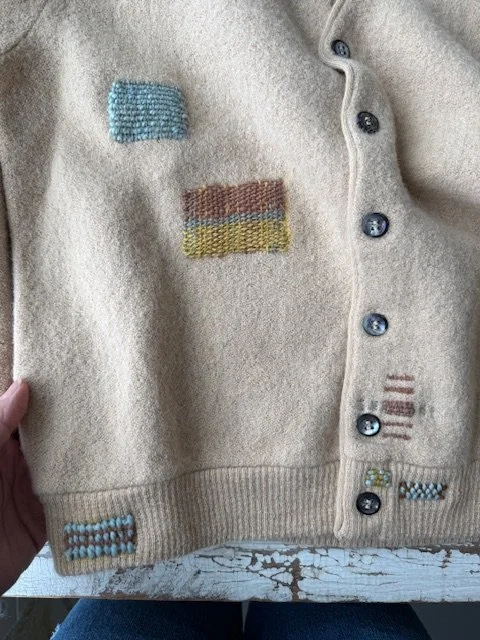 Image 1 of 9
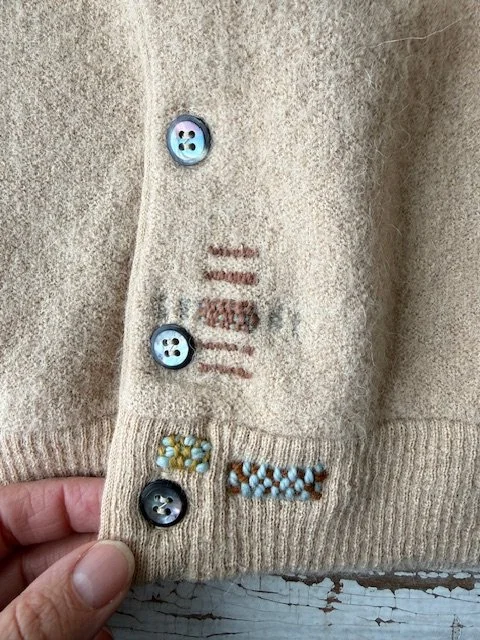 Image 2 of 9
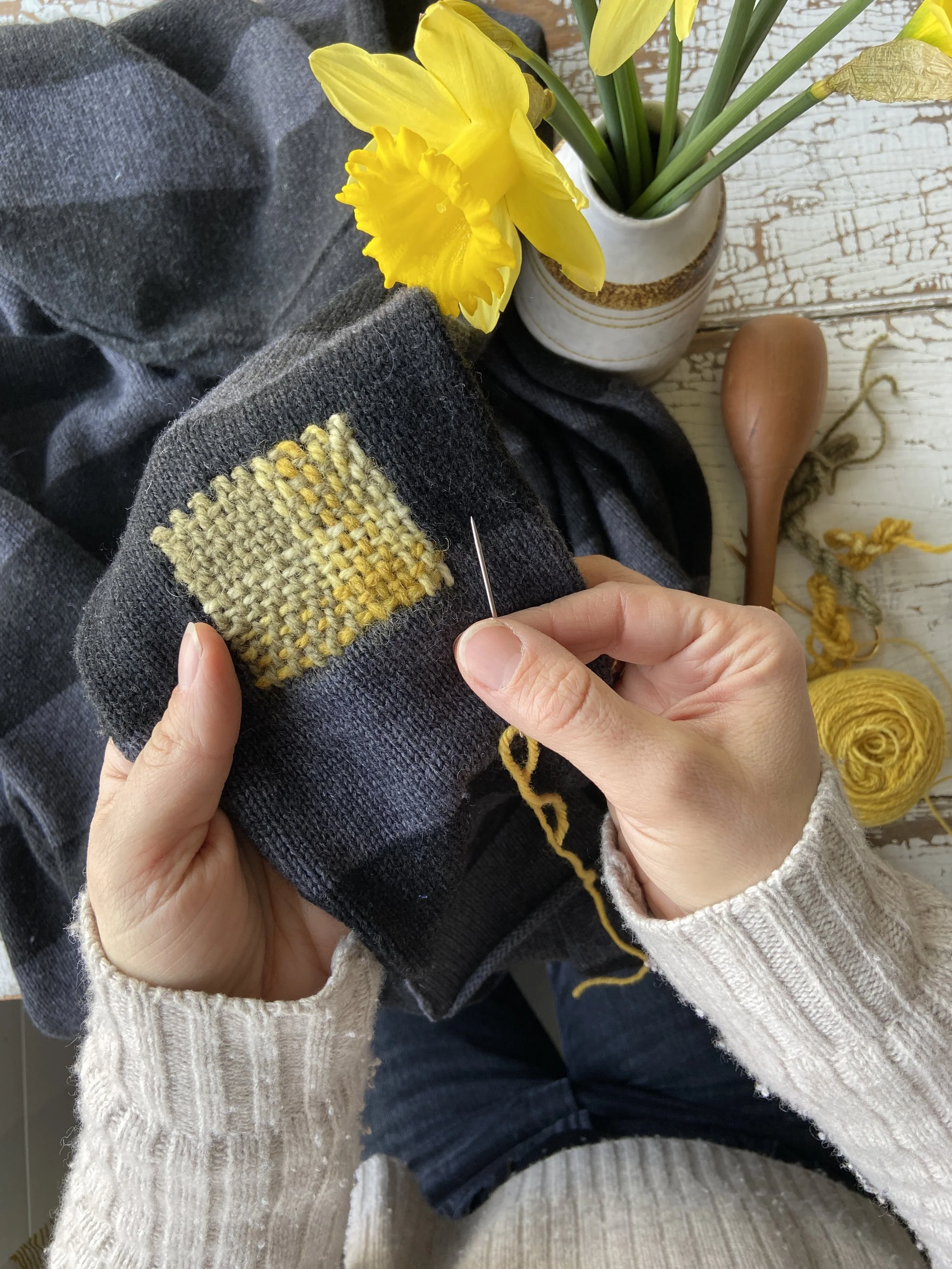 Image 3 of 9
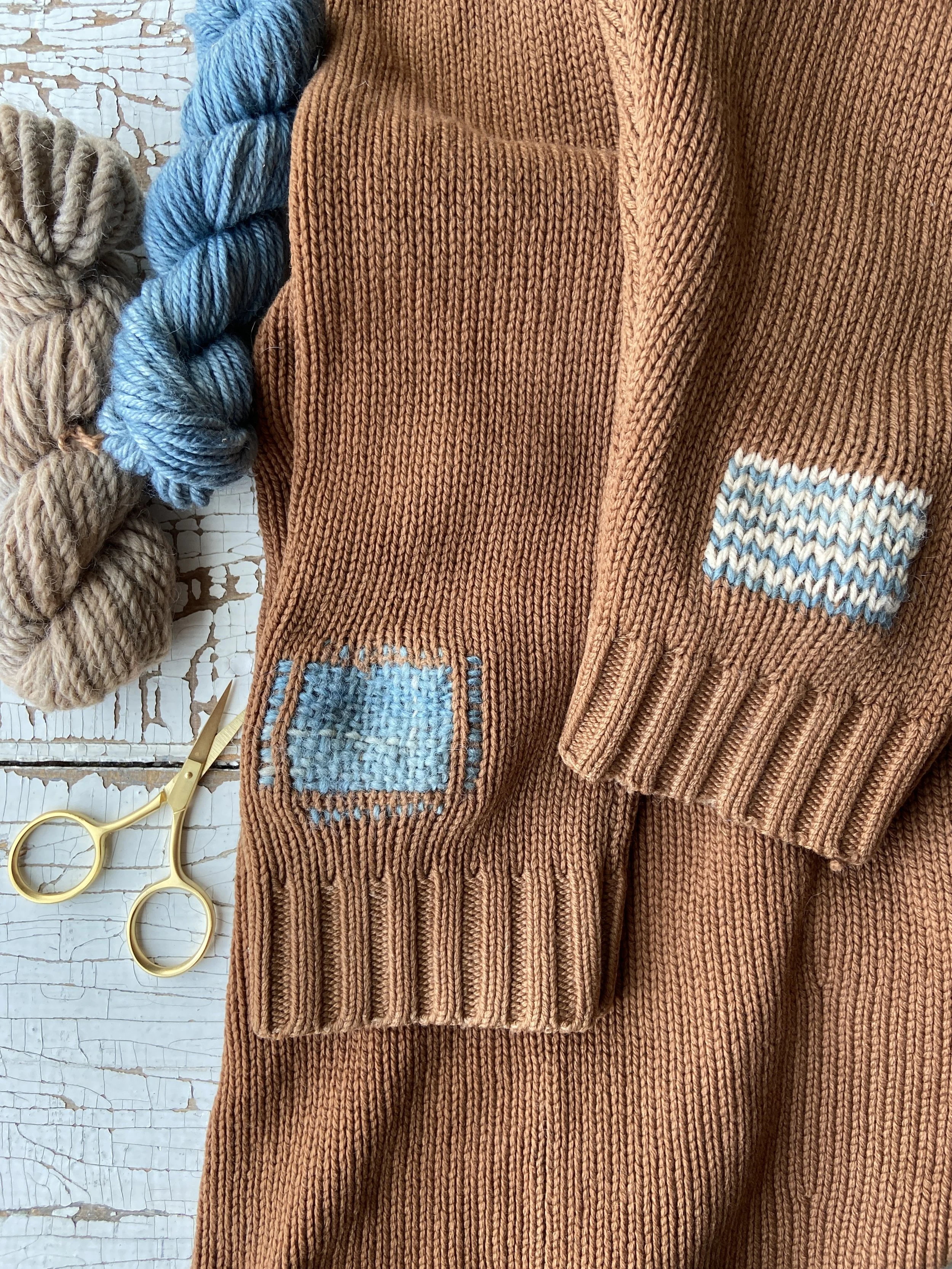 Image 4 of 9
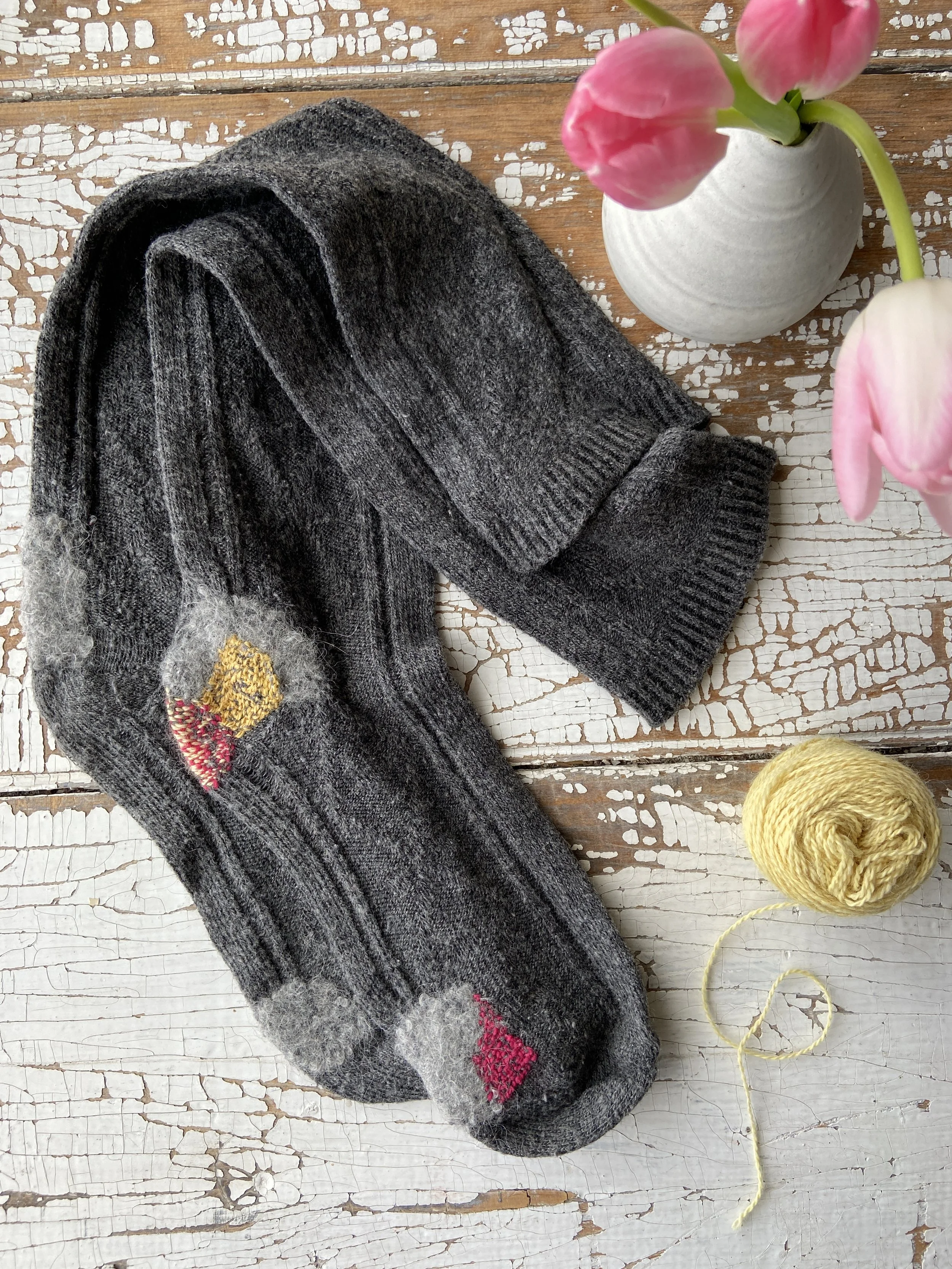 Image 5 of 9
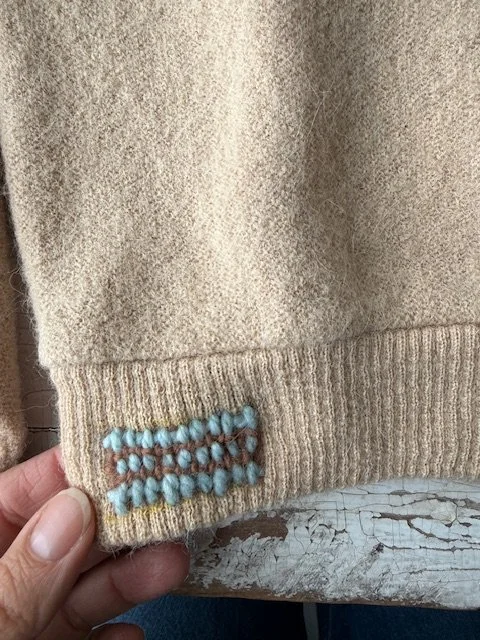 Image 6 of 9
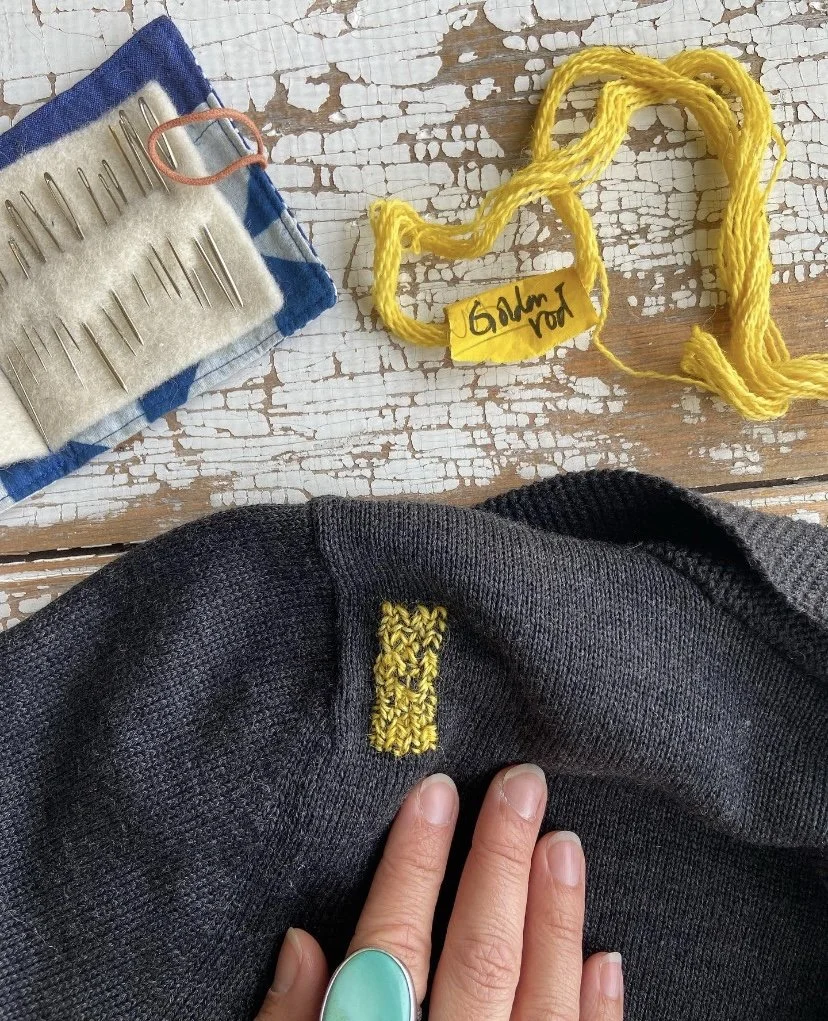 Image 7 of 9
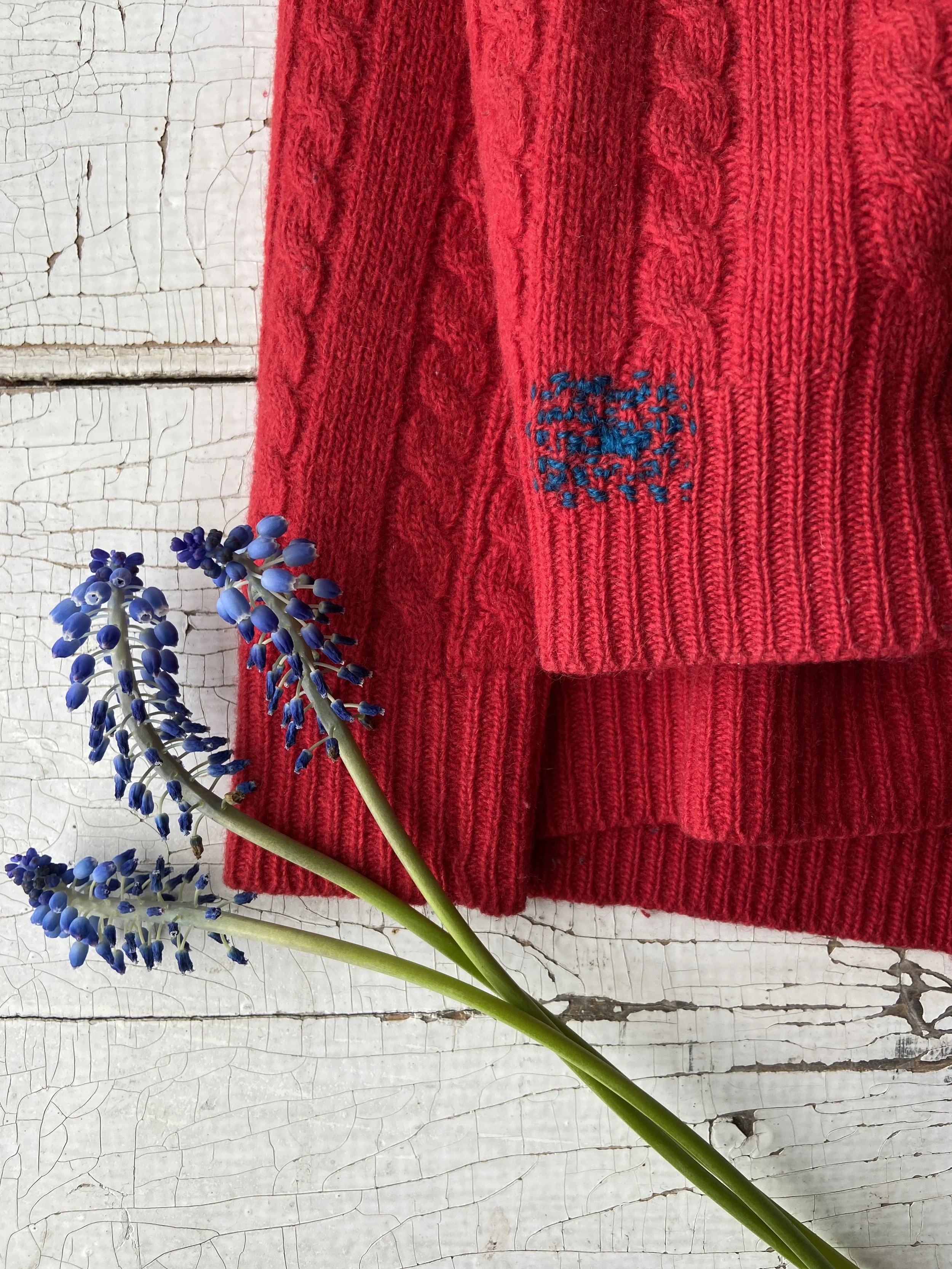 Image 8 of 9
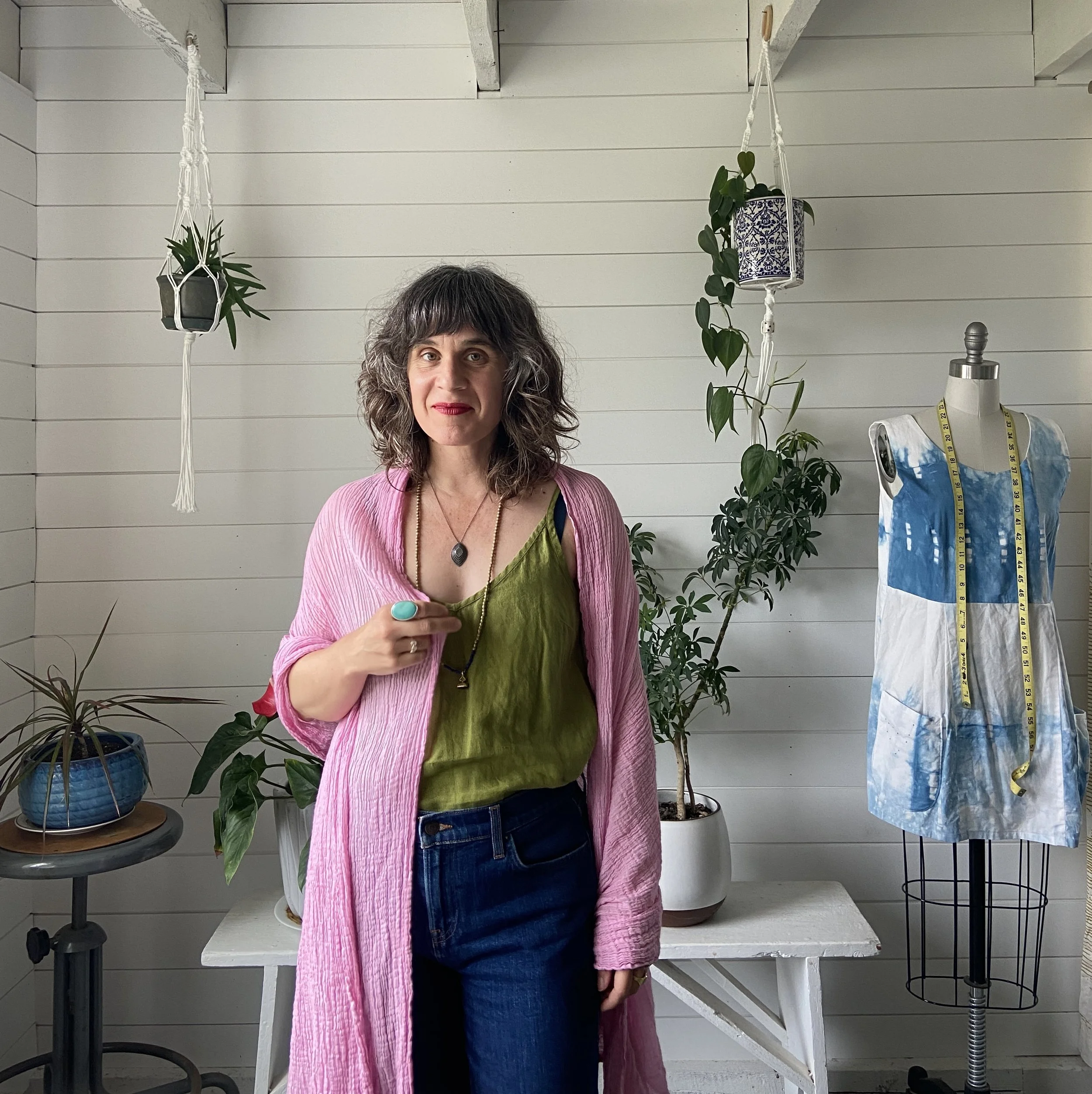 Image 9 of 9